WELCOME TO
ACADEMIC TECHNOLOGY SERVICES
Digital Learning Innovation for St. Mary's Teaching and Learning CommunityOnline Learning | Learning and Development | Learning Technologies | Creative and Media Services 2024 Faculty Institute Application Now Open
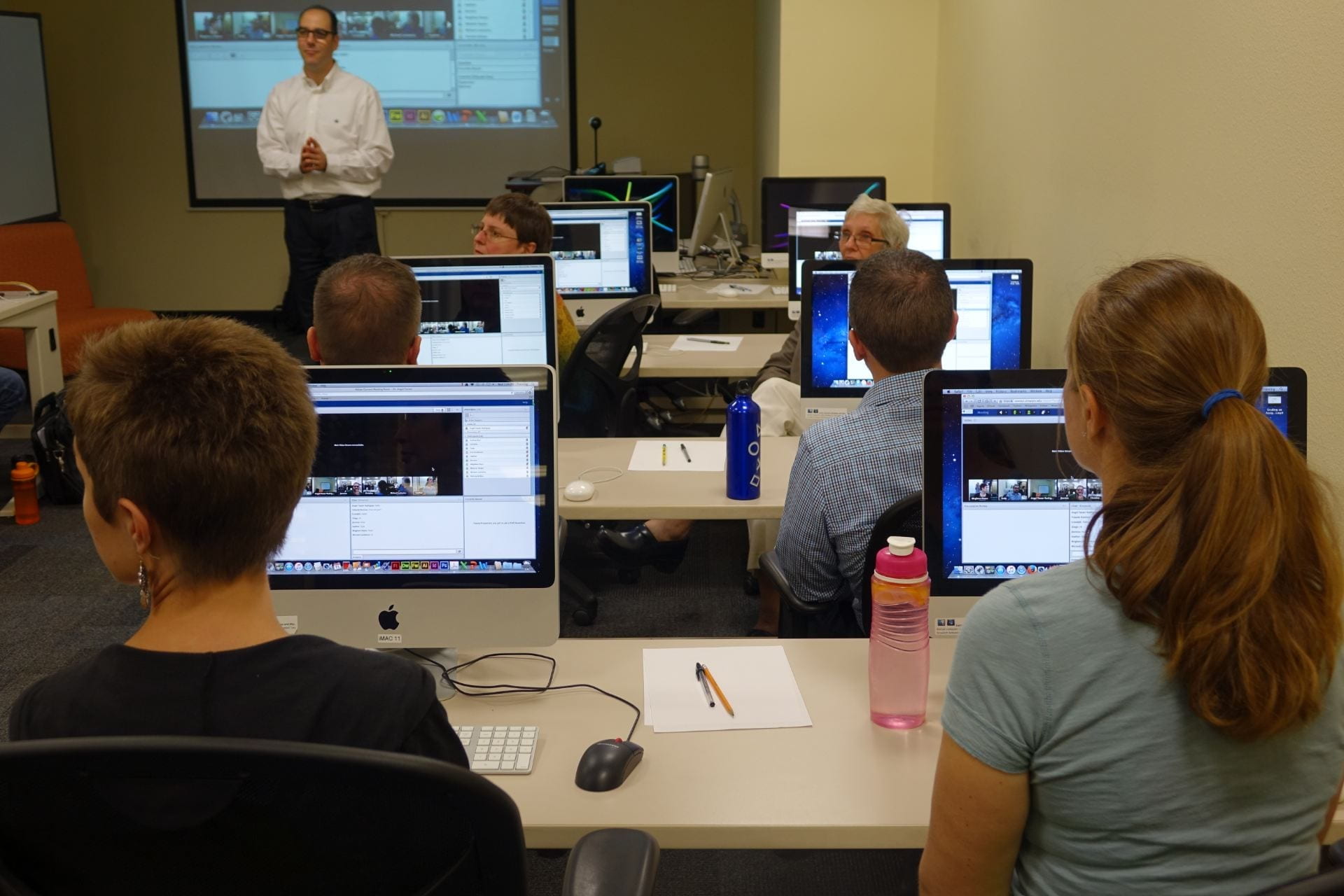
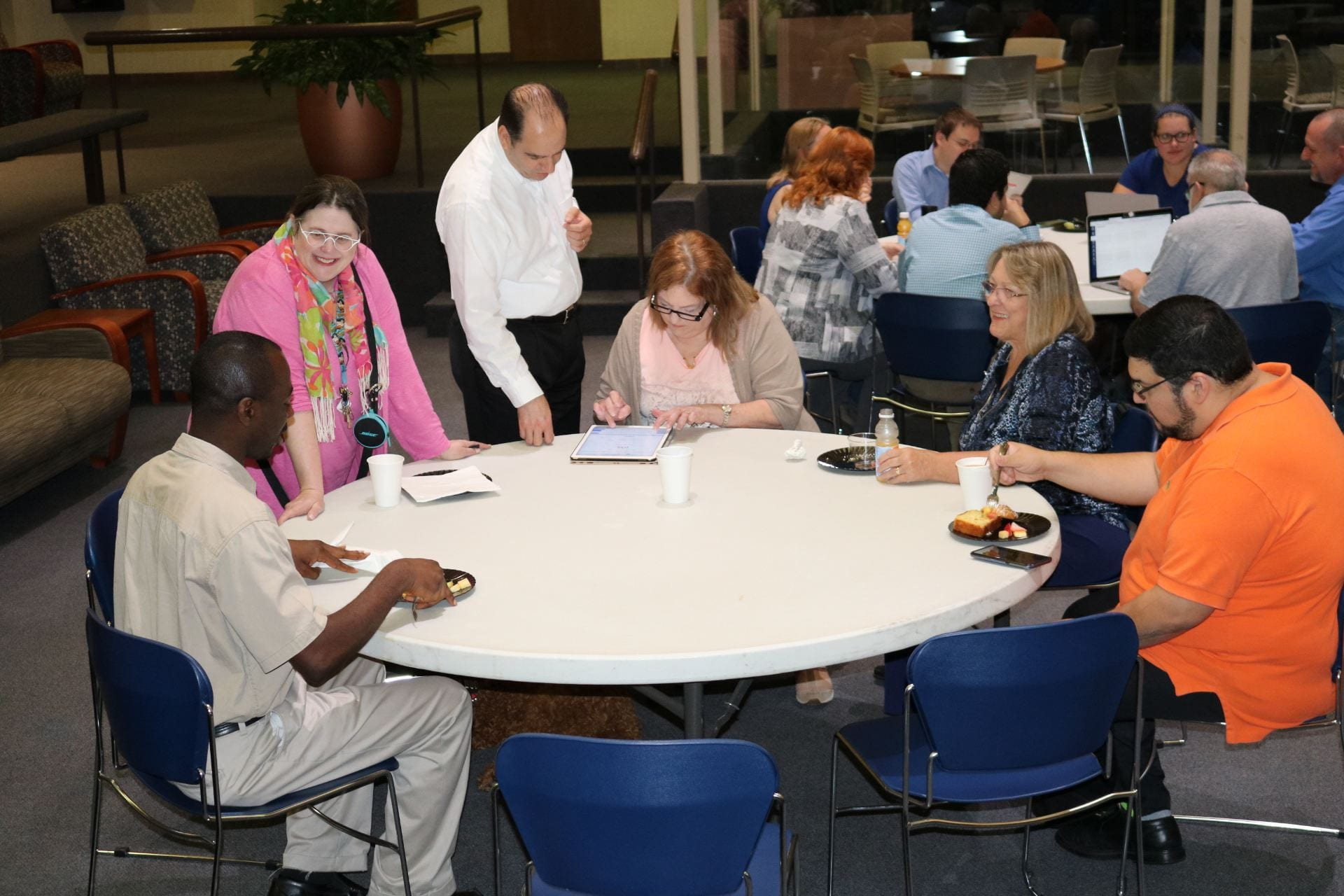
A key to professional growth and development is training. We provide a wide variety of technology workshops each semester. Available to faculty, staff, and students, these workshops provide both basic and advanced software skills to the end-user. We also welcome large group and one-to-one training sessions. If your department is interested in a private training session, please email Angel Tazzer, Ph.D. to schedule the event.
Your content goes here. Edit or remove this text inline or in the module Content settings. You can also style every aspect of this content in the module Design settings and even apply custom CSS to this text in the module Advanced settings.
Interested in teaching online courses at St. Mary’s University? Learn about our Online Teaching Certification Program (OTCP).
Access the Fall 2022 Workshop Calendar to mark your calendar for training opportunities ATS offers throughout the semester.
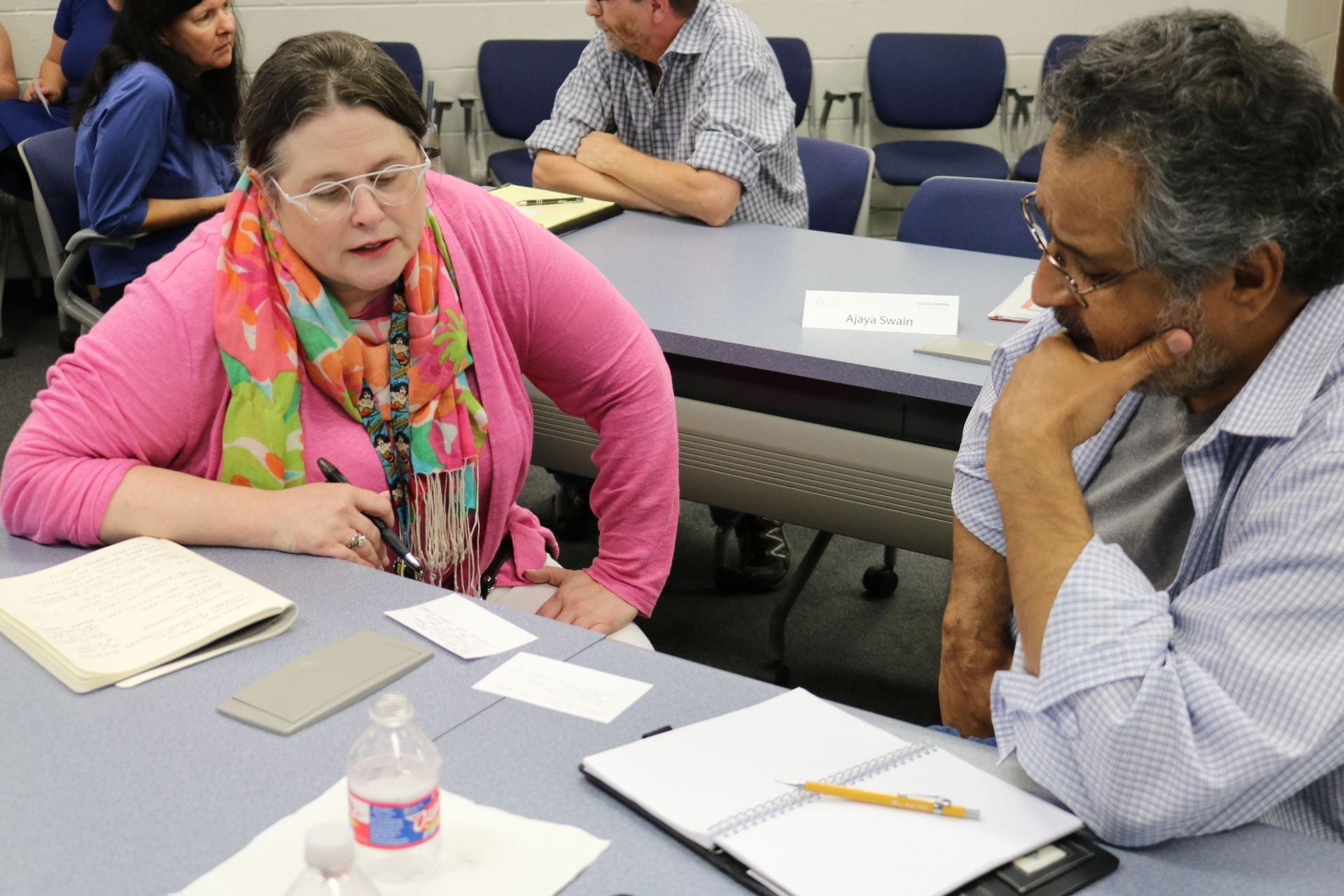
Not able to attend a scheduled workshop? That’s okay! Schedule a one-on-one training appointment with one of our staff members.
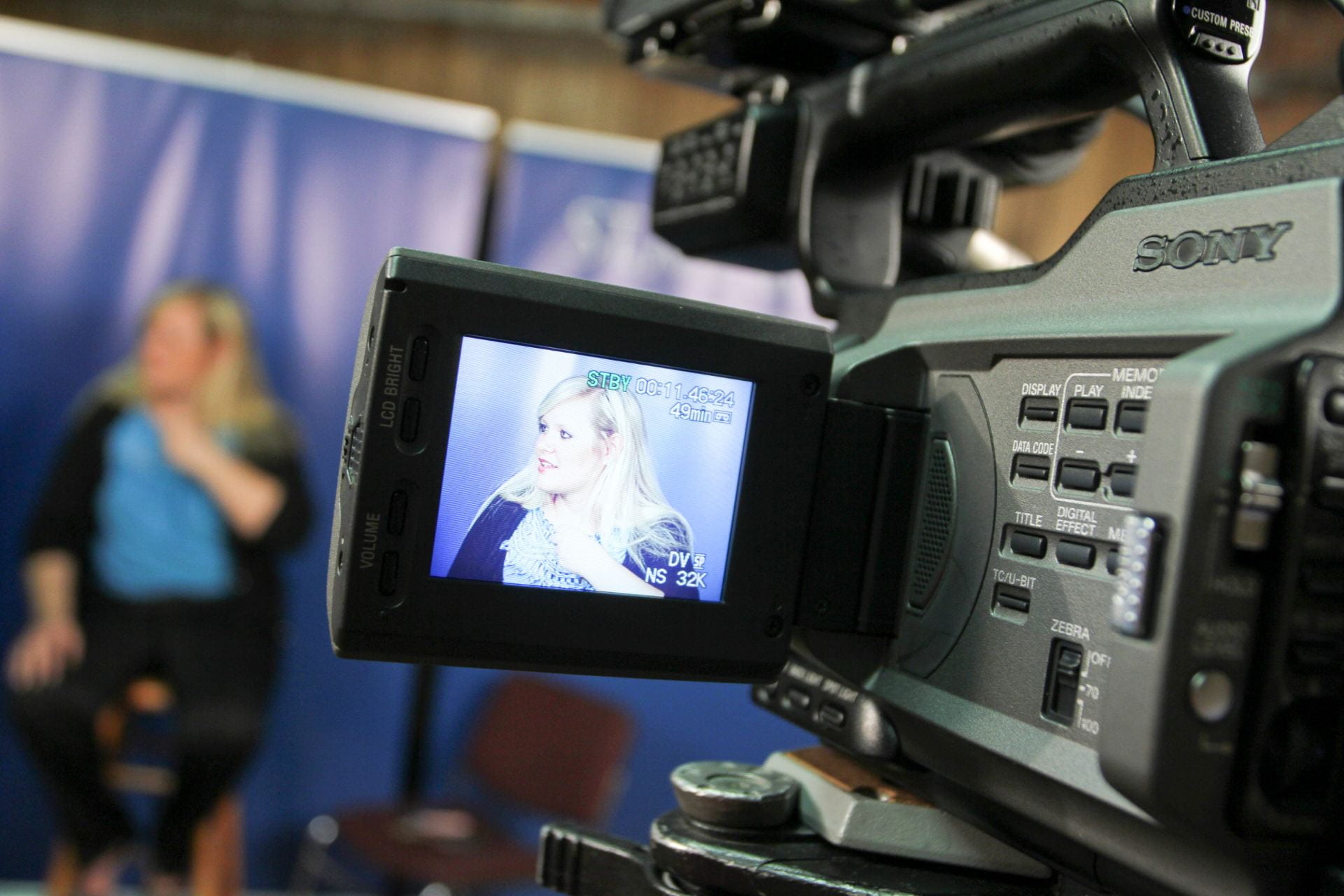
Need equipment? Learn more about media reservations and checkouts provided by our Academic Media Center.
Who
We Are
ATS is a service-oriented division whose main responsibility is to assist in the transformation of the pedagogy in the teaching/learning environment. The functions of the department can be placed into several categories: support for instructional design and preparation of material, support for classrooms with technology (equipment), faculty training, and renovation of classrooms. In short, ATS provides faculty with the training and support to use new technologies that enhance classroom instruction.
Online Readiness
Being “Online Ready” has taken on new meaning, but we have been involved in the planning, design, delivery, and evaluation of online courses and programs since 2004 at St. Mary’s University. Our prestigious Online Teaching Certification Program (OTCP) has provided faculty with in-depth, immersive learning into online course design for student success. We believe that online teaching embraces the core Marianist principle of adaptation and change, and we are her to be your success partner in that endeavor.
Instructional Design Support
ATS supports faculty, staff, and students with the design, implementation, and analysis of instructional content. We would love to be a part of your next success!
Support for Classroom Instruction with Technology
We provide assistance and advice for faculty and staff who have questions about using technology in their classrooms and offer strategies on maximizing the student use of technology on individual lessons, projects, or overall courses.
Faculty Training (Growth and Development)
ATS offers training on a variety of topics, please check out our latest offerings! If a scheduled workshop time is not convenient, you’re always welcome to make an individual appointment with us. We look forward to working with you!
Student Training (Career Skills and Student Media Assignments)
Faculty ask students to use a variety of programs such as Canvas, SPSS, R, and others for coursework. We’re happy to assist you with whatever projects you have: both personal and academic!
Student Training
Faculty ask students to use a variety of programs such as Canvas, SPSS, R, and others for coursework. We’re happy to assist you with whatever projects you have: both personal and academic!
Faculty Institute
On Learning Technologies
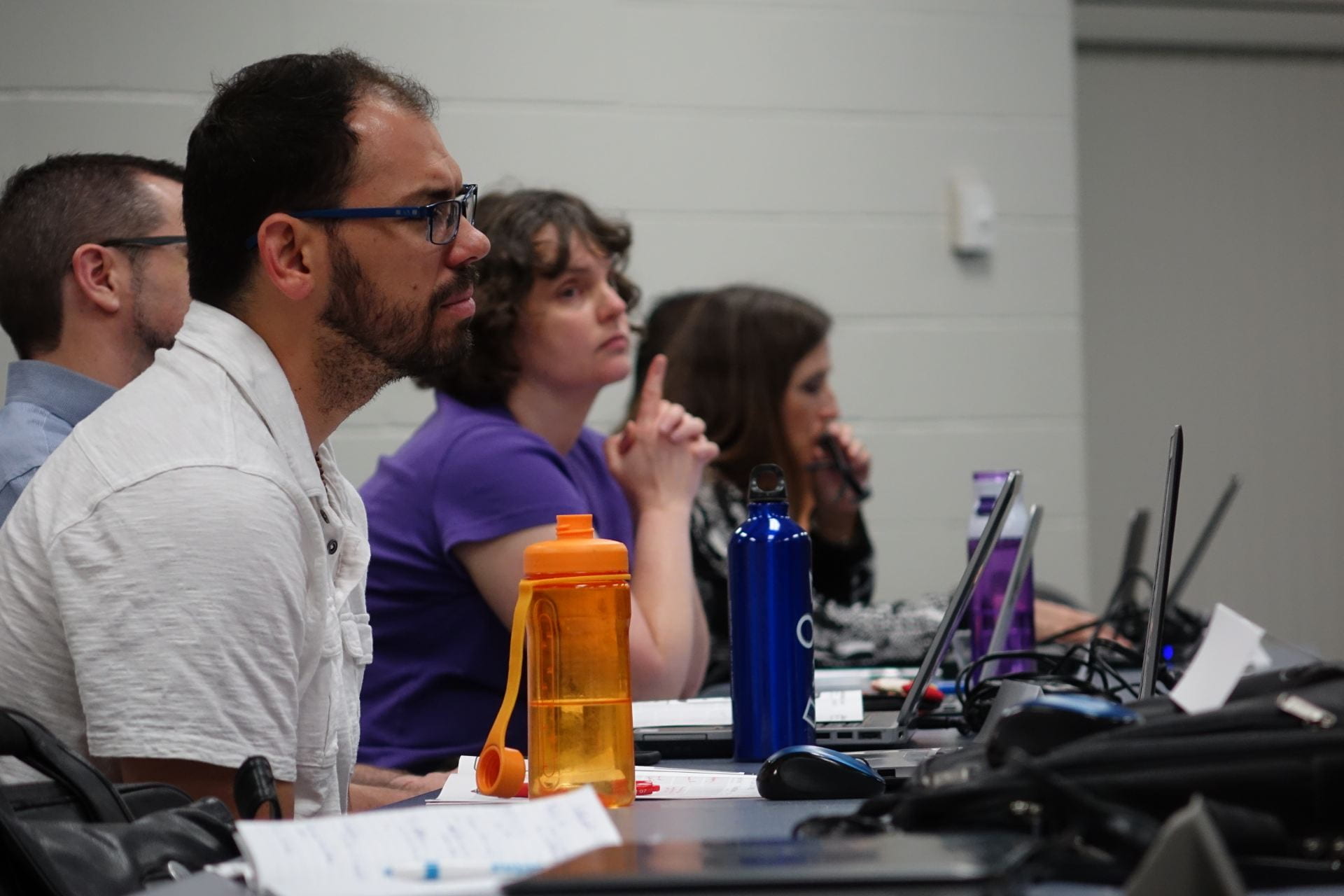
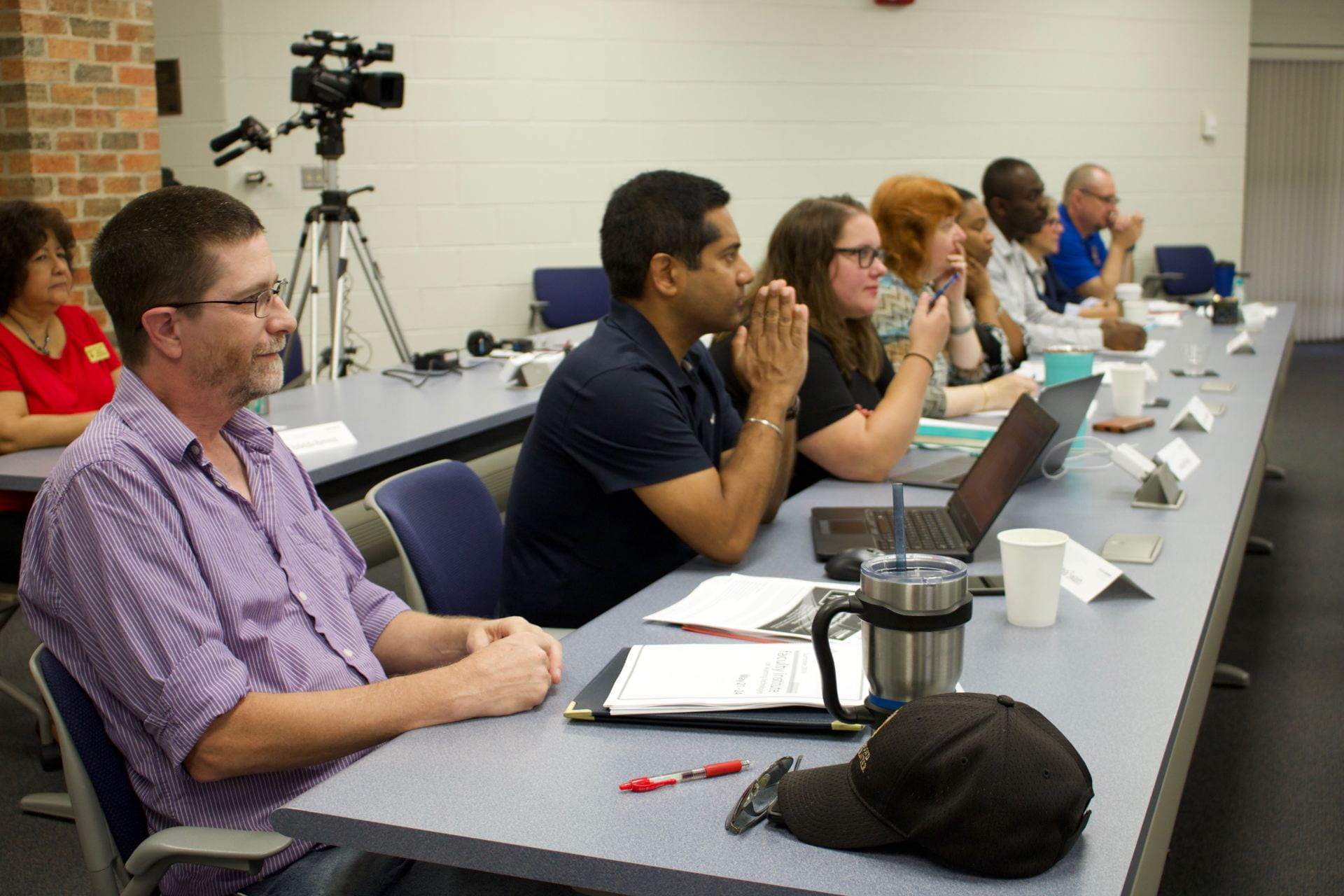
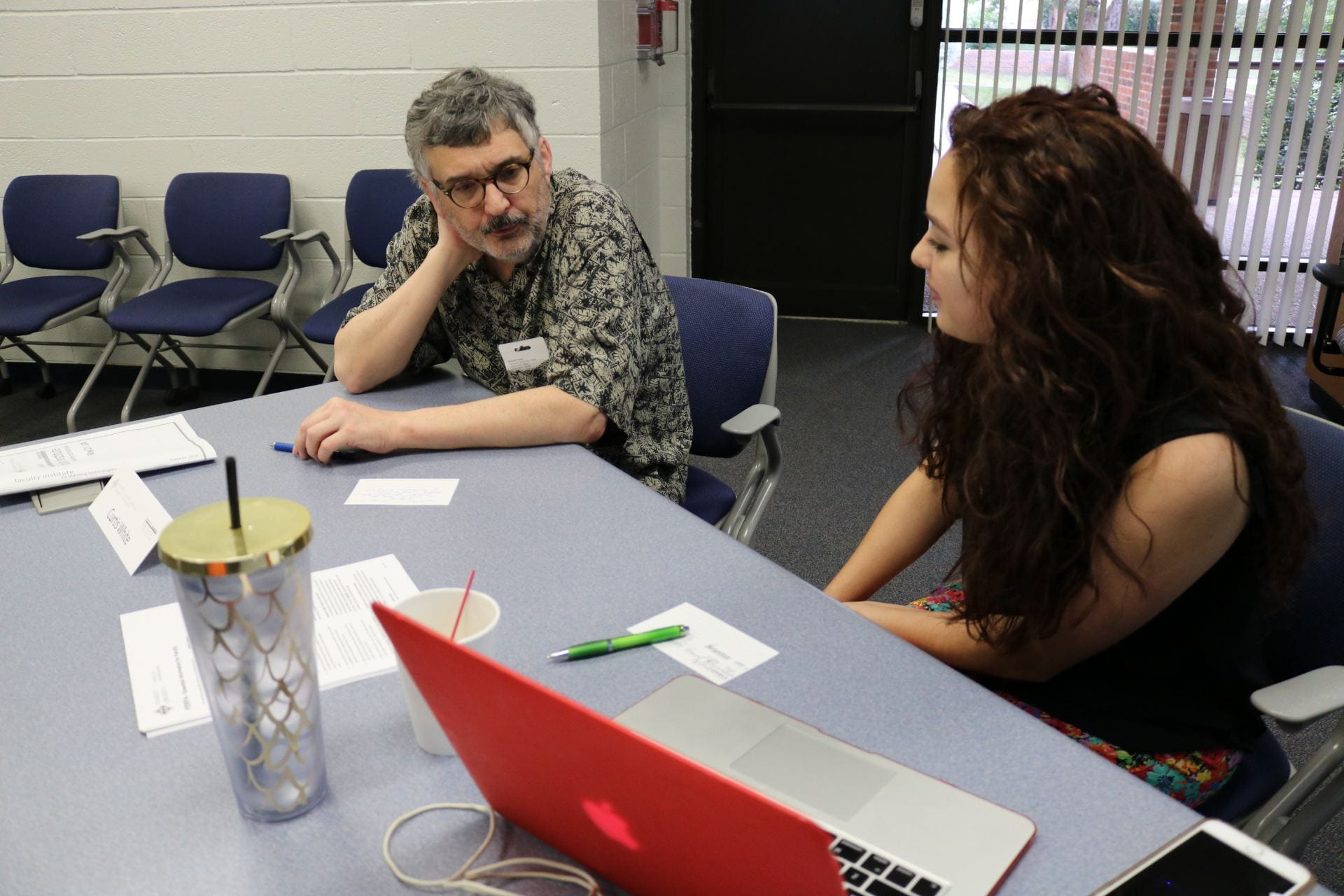
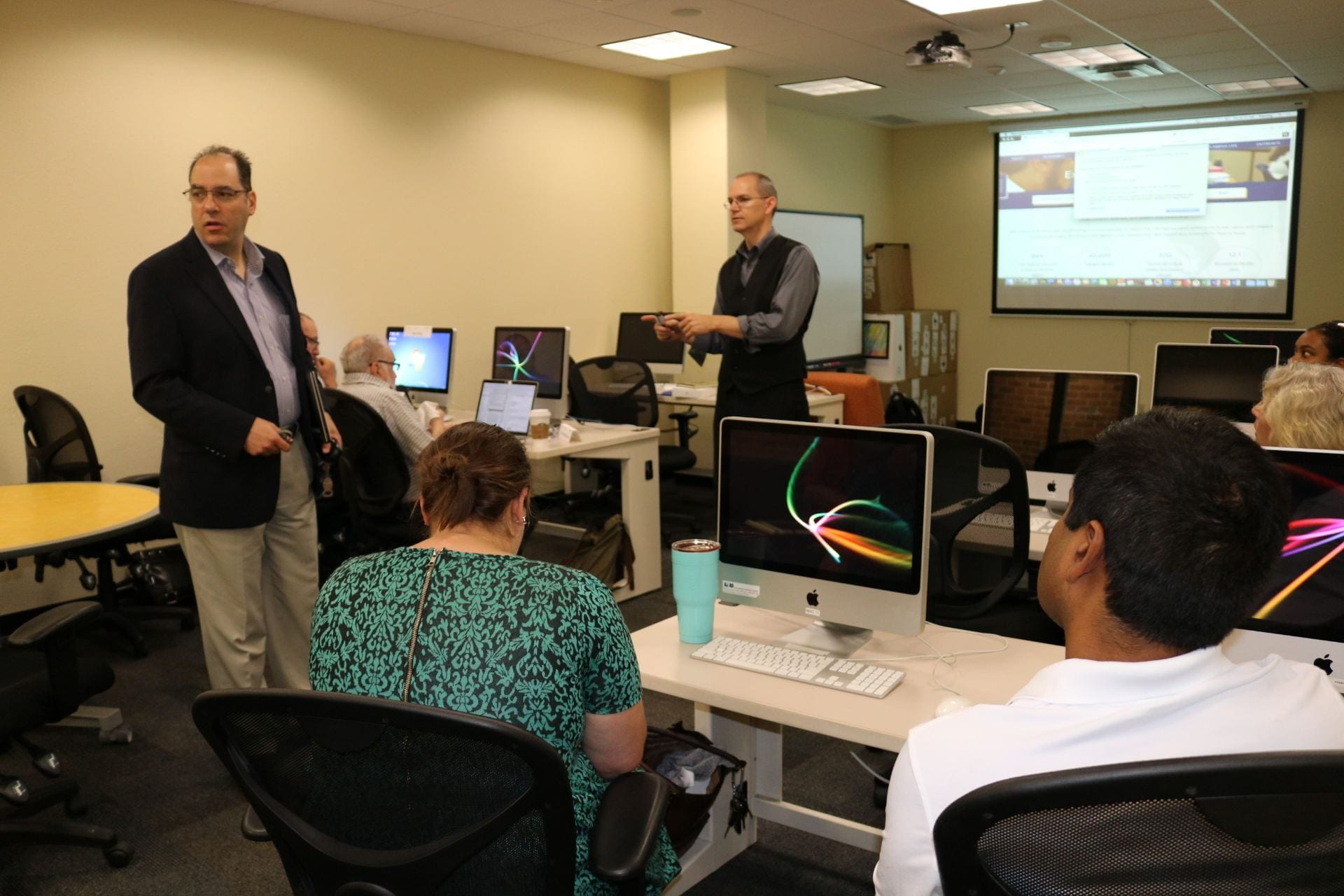
Academic Technology Services offers an annual Summer Faculty Institute on Learning Technologies. The four-day institute, held every year in May, is an opportunity for faculty to connect with experienced colleagues and guest speakers, get hands-on practice with cutting-edge technology, and walk away with the beginnings of a technology-infused curriculum plan.
If you have any questions, please email Jeff Schomburg (jschomburg@stmarytx.edu) or call 210-431-5073.


Online Teaching